The gaming industry has grown into one of the largest entertainment industries in the world. Every year, thousands of new games are released across PC, console, and mobile platforms. From massive AAA titles to small independent projects created by a handful of developers, the competition for attention has never been higher.
Because of this crowded marketplace, simply creating a good game is no longer enough. Developers must also understand how to reach players, build interest, and grow a community around their games. This is where marketing for gaming becomes essential.
For many small developers and student creators, marketing often feels like an afterthought. Most teams focus heavily on design, gameplay mechanics, art, and programming while assuming players will naturally discover their game once it launches. Unfortunately, that rarely happens. Without marketing, even excellent games can struggle to find an audience.
Marketing is not just about selling a product. In gaming, it’s about telling the story of your game, building relationships with players, and creating excitement before and after launch. In this article, we’ll explore why marketing is so important in gaming, how small developers can use effective strategies, and the key methods used to attract and retain players.
The Importance of Marketing in Gaming
Gaming has become an incredibly competitive industry. Platforms like Steam, the Epic Games Store, mobile app stores, and console marketplaces release new titles every day. With thousands of options available to players, visibility becomes one of the biggest challenges for developers.
Marketing helps solve this problem by making sure players know your game exists.
For small developers, especially, marketing can determine whether a game succeeds or disappears into the background. A strong marketing plan helps:
- Increase visibility and awareness
- Attract potential players
- Build a loyal community
- Generate early feedback
- Support long-term growth after release
Many successful indie games gained popularity not only because they were well designed but because the developers actively marketed them throughout development. Developers who share progress updates, gameplay previews, and behind-the-scenes content often attract communities even before the game launches.
Marketing also helps developers better understand their audience. By analyzing player responses, engagement levels, and feedback, developers can improve gameplay, refine features, and tailor updates to what players actually want.
In short, marketing connects developers with their players.
Marketing Strategy for Gaming
A successful game marketing strategy is more than just posting a trailer online. It involves planning how your game will be introduced, promoted, and supported over time.
For developers, especially small teams, the most effective strategy is often a long-term marketing approach that begins during development rather than after the game launches.
1. Understanding Your Audience
The first step in marketing any game is understanding who it is for. Different games appeal to different audiences. A competitive multiplayer game may target esports players, while a relaxing puzzle game may appeal to casual players looking for short gaming sessions.
Understanding your audience helps developers decide:
- Which platforms to promote on
- What type of content to create
- How to communicate with players
- What features matter most to the community
For example, a college student interested in game design might enjoy behind-the-scenes development posts, while casual mobile gamers may respond more to short gameplay clips or ads.
When developers understand their audience, their marketing becomes much more effective.
2. Building a Community Early
One of the most powerful marketing tools in gaming is community building. A strong player community can help spread awareness, generate excitement, and provide valuable feedback.
Developers often build communities through platforms like:
- Social media
- Discord servers
- YouTube channels
- Twitch streams
- Developer blogs
Sharing development progress helps players feel connected to the project. When players see how a game evolves, they often become invested in its success.
Community engagement can include:
- Dev logs and updates
- Polls about game features
- Player feedback sessions
- Early demos or beta tests
- Community challenges or events
When players feel like they are part of the development journey, they are more likely to support the game at launch and recommend it to others.
3. Social Media Optimization
Social media plays a major role in modern game marketing. Platforms like Twitter/X, TikTok, Instagram, YouTube, and Reddit allow developers to showcase gameplay clips, artwork, trailers, and updates.
However, simply posting content isn’t enough. Developers should optimize their posts to improve visibility and engagement.
Effective social media strategies include:
- Posting short gameplay clips
- Sharing concept art and development screenshots
- Creating engaging dev logs
- Using relevant gaming hashtags
- Responding to comments and feedback
Consistency is also important. Regular posts help keep players interested and remind them that the game is actively being developed.
Small developers can gain significant exposure when a gameplay clip or feature demonstration goes viral on social media.
Advertisements for Gaming
Advertising is another key element of marketing for gaming. While community building and organic growth are powerful, paid ads can help developers reach new audiences more quickly.
Gaming advertisements appear across many platforms, including:
- YouTube
- Social media platforms
- gaming websites
- streaming platforms
- mobile app networks
Even small ad campaigns can significantly increase visibility if they target the right audience.
Types of Game Advertisements
There are several types of advertisements commonly used in the gaming industry.
Gameplay Trailers
Gameplay trailers are one of the most effective promotional tools. They show players what the game actually looks like and what makes it fun.
A good trailer should:
- Highlight core gameplay mechanics
- Show exciting moments
- Keep the video short and engaging
- End with a clear call to action
Social Media Ads
Platforms like Instagram, TikTok, and YouTube allow developers to run targeted ads based on user interests. This allows games to reach players who are already interested in similar genres.
Influencer Marketing
Influencer marketing has become extremely powerful in gaming. When streamers or content creators play a game, it can reach thousands or even millions of viewers.
Many indie developers send early copies of their games to streamers so they can showcase gameplay before launch.
Campaigns and Game Launch Marketing
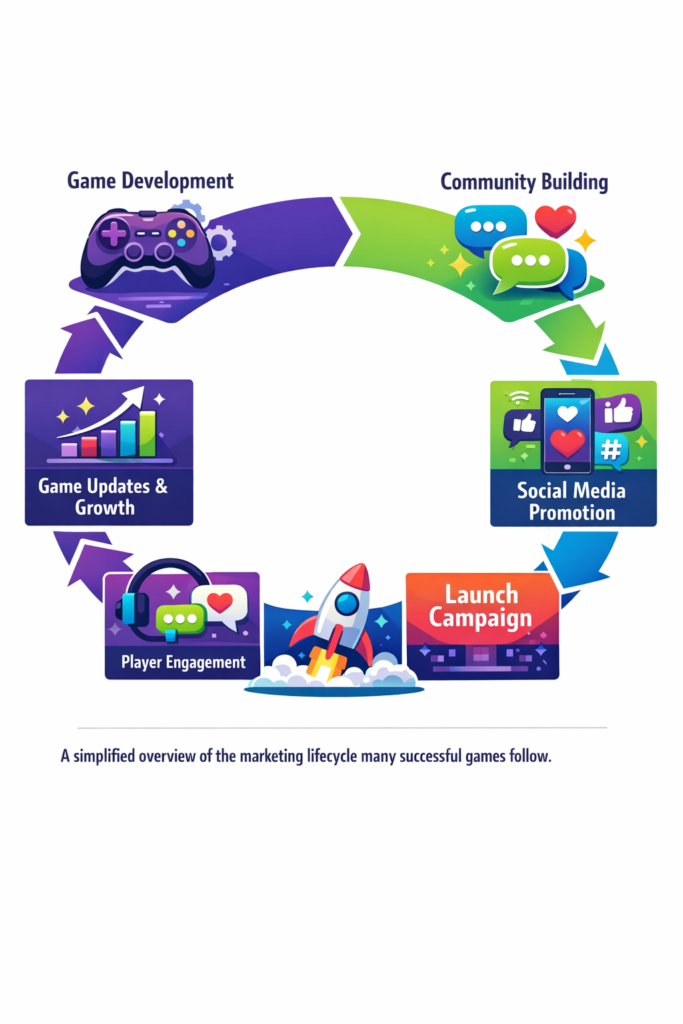
A marketing campaign is a coordinated effort to promote a game during a specific time period, usually leading up to launch.
A strong launch campaign often includes several elements working together.
Pre-Launch Campaign
Before a game releases, developers should build anticipation by sharing:
- gameplay previews
- development updates
- teaser trailers
- beta testing opportunities
This stage helps build excitement and allows players to start following the game early.
Launch Campaign
The launch period is one of the most important moments in a game’s lifecycle. Marketing during this stage focuses on:
- launch trailers
- promotional events
- influencer streams
- social media announcements
- press coverage
Strong launch campaigns can significantly increase downloads and visibility.
Post-Launch Marketing
Marketing does not stop once a game is released. Post-launch marketing helps keep the game alive and attract new players.
Developers often continue marketing through:
- game updates
- seasonal events
- new content releases
- community challenges
- expansion announcements
This helps maintain long-term engagement and keeps players returning to the game.
Player Engagement and Retention
Attracting players is only part of marketing. Keeping them engaged is just as important.
Player engagement focuses on building long-term relationships with users. Games that actively communicate with their communities tend to retain players much longer.
Developers can improve engagement by:
- responding to community feedback
- releasing regular updates
- hosting events or competitions
- rewarding loyal players
- maintaining active communication channels
Engaged players often become advocates for the game. They recommend it to friends, create content around it, and help expand the community.
Marketing Challenges for Small Developers
While marketing is essential, small developers often face several challenges.
Limited Budgets
Unlike large studios, indie developers may not have large advertising budgets. Because of this, they often rely heavily on organic marketing strategies such as social media, community building, and influencer outreach.
Limited Time
Many small development teams already manage programming, art, sound design, and testing. Adding marketing responsibilities can feel overwhelming.
However, even small marketing efforts can have a significant impact if done consistently.
Discoverability
With thousands of games launching each year, standing out can be difficult. Developers must find creative ways to showcase what makes their game unique.
Highlighting distinctive mechanics, art styles, or story elements can help a game capture attention.
Optimizing Your Marketing for More Players
Developers can improve their marketing effectiveness by focusing on a few key principles.
Consistency
Consistent updates help maintain player interest. Regular communication builds trust with your community.
Authenticity
Players appreciate authenticity. Sharing honest development stories and challenges helps humanize the team behind the game.
Data and Analytics
Tracking engagement metrics helps developers understand which strategies work best. Platforms like social media analytics or storefront dashboards provide useful insights.
Player Feedback
Listening to players can greatly improve both marketing and game design. Community feedback often highlights features that players find most exciting.
The gaming industry is full of creativity, innovation, and passionate developers. However, even the most well-designed game can struggle if players never hear about it.
Marketing for gaming plays a crucial role in helping developers share their creations with the world. Through effective strategies like community building, social media engagement, advertisements, and launch campaigns, developers can reach more players and grow lasting communities.
For small developers, marketing doesn’t require massive budgets. What matters most is consistency, creativity, and genuine engagement with players.
By investing time in marketing alongside game development, creators give their games the best chance to succeed in an increasingly competitive industry.
If you enjoyed learning about marketing for gaming and game development strategies:
- Follow us on social media for more updates and insights
- Join our email list to receive new blog posts and developer tips
- Check out our other blogs about Social Media Marketing Tips for Game Developers, How Indie Game Developers Can Build a Community, Game Launch Marketing: How Developers Can Promote Their Game Successfully
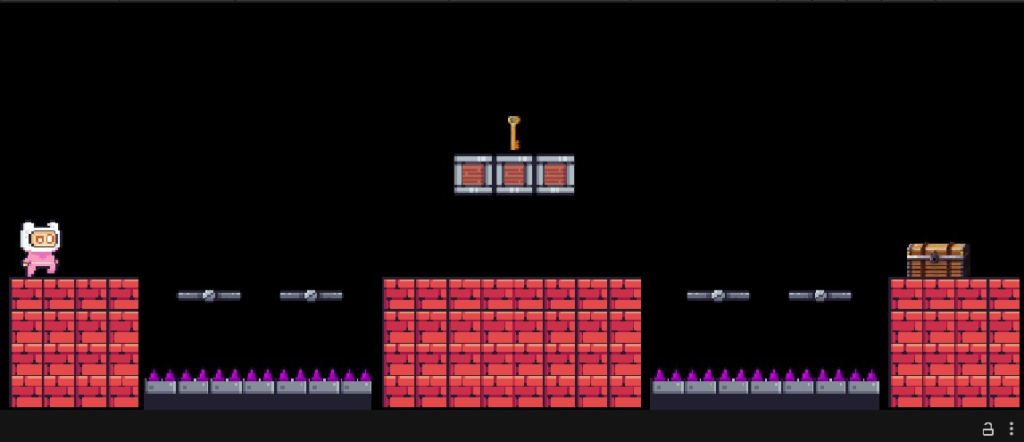
Image Preview Of Game Being Developed